
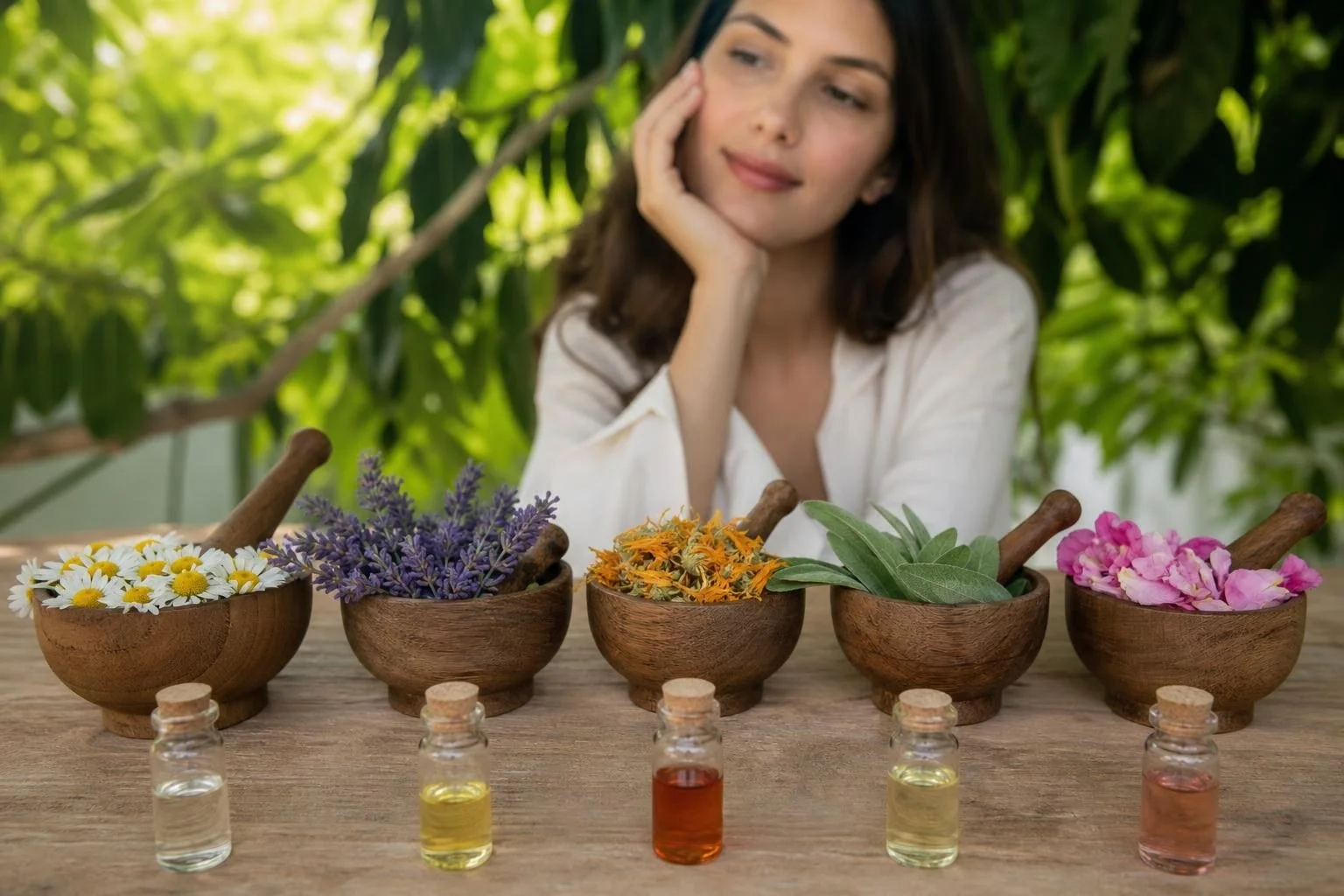
5 Botanicals Your Skin Loves and Why They Work
Your skin already knows what it wants.
Long before lab-made chemicals existed, plants soothed redness, healed damage, and kept skin soft through the toughest conditions. And honestly, they are still some of the most effective ingredients you can use.
The question of which botanicals your skin truly loves, and why they work so well, comes down to chemistry.
Plants produce protective compounds to survive UV exposure, pathogens, and environmental stress. Those same compounds happen to be incredibly compatible with human skin biology.
I’m going to take a deep dive (sorry it’s the pharmacist in me) into five specific botanicals: lavender, kawakawa, calendula, chamomile and rose, and their individual mechanisms.
Whether you're dealing with sensitivity, dryness, or signs of aging, there's a plant-based solution backed by both traditional use and modern research for everyone.

The Science of Soothing Phytonutrients for Sensitive Skin
Plants produce secondary metabolites: compounds that aren't essential for basic growth but serve as chemical defense systems. These include flavonoids, terpenes, phenolic acids, and essential fatty acids. What makes them so relevant to skincare is that many of these molecules interact directly with human inflammatory pathways.
Sensitive skin, in particular, benefits from phytonutrients because they tend to work gently over time rather than delivering a single aggressive action. Think of them as persistent, low-level support for your skin's own repair systems.

How Plant-Based Compounds Calm Inflammation
Inflammation is your immune system's alarm bell. It's useful in short bursts but damaging when it becomes chronic. Botanical compounds like bisabolol (from chamomile) and myristicin (from kawakawa) interrupt specific inflammatory cascades, particularly the COX-2 and NF-kB pathways. This is the same mechanism targeted by over-the-counter anti-inflammatory drugs, but plant compounds achieve it without stripping your skin's protective barrier.
The result? Less redness, less irritation, and a calmer baseline for reactive skin types. Because these compounds are lipid-soluble, they absorb well into the skin's outer layers where inflammation typically starts.
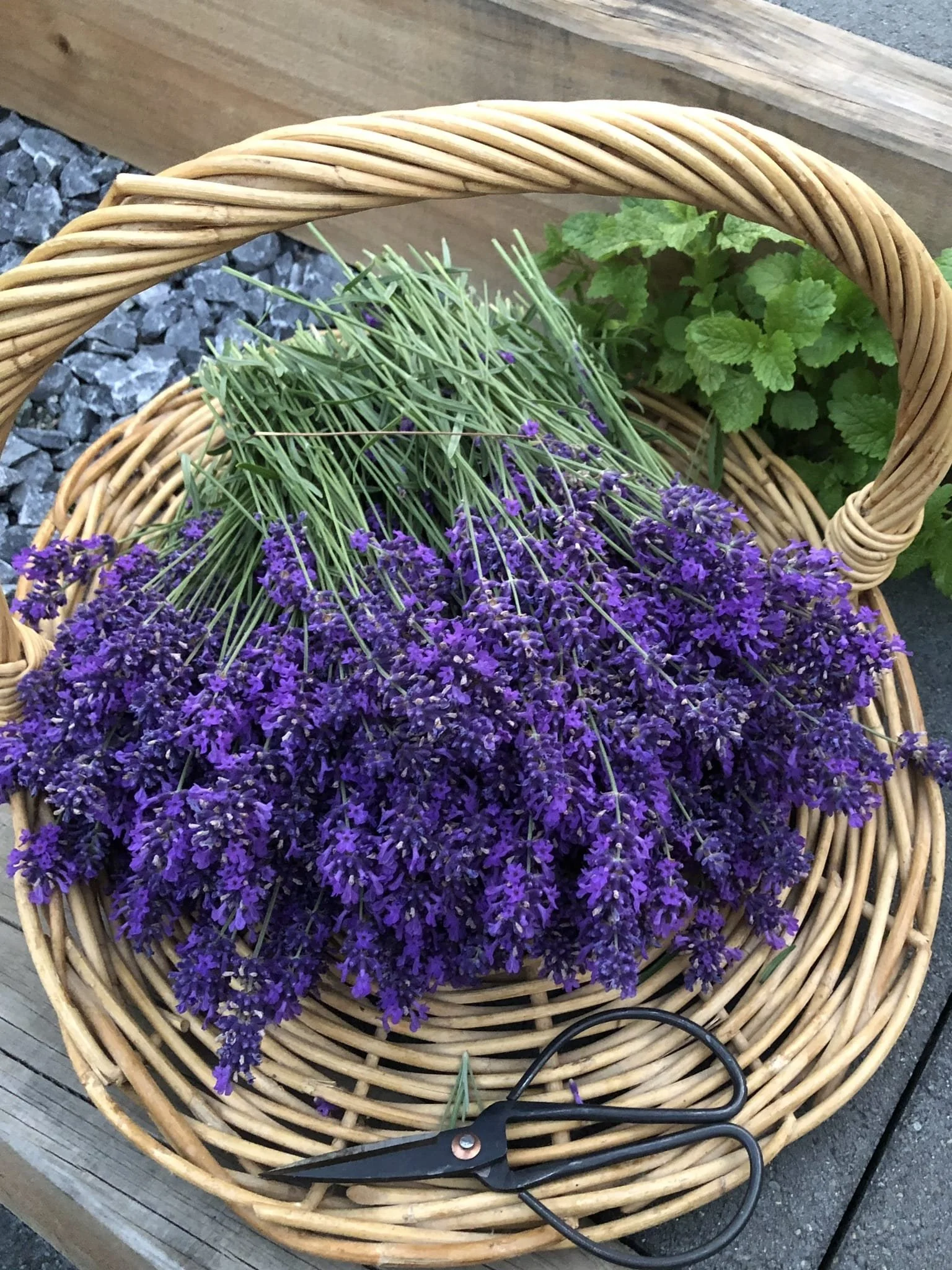
Lavender: The Calming Comfort
Lavender (lavendula angustifolia) has been cherished for centuries for its soothing properties and beautiful floral aroma. Rich in naturally occurring compounds like linalool and linalyl acetate, lavender helps calm both the skin and the senses.
Linalool and Linalyl Acetate: Naturally occurring plant molecules offering soothing properties.
Linalool - Nature’s Skin Soother, can be found in many aromatic plants but lavender is one of its richest sources. In skincare, linalool helps calm the appearance of redness and supports skin that feels irritated or stressed. Linalool contributes to lavender’s calming aroma, which has been shown to encourage relaxation and reduce feelings of stress. Since emotional stress can influence the appearance and comfort of our skin, this creates a beautiful connection between skincare and wellbeing.
Linalyl Acetate - The Comforting Companion, it works alongside linalool to create lavender’s soft floral fragrance while also contributing to its skin conditioning properties. It also helps comfort sensitive skin by supporting the skin’s natural balance and reducing the feeling of irritation.
Lavender’s gentle anti-inflammatory and antioxidant properties help soothe redness, reduce the appearance of irritation, and support the skin’s natural barrier. At the same time, it’s naturally calming aroma encourages moments of relaxation and mindfulness, transforming your daily skincare routine into a peaceful self-care ritual.
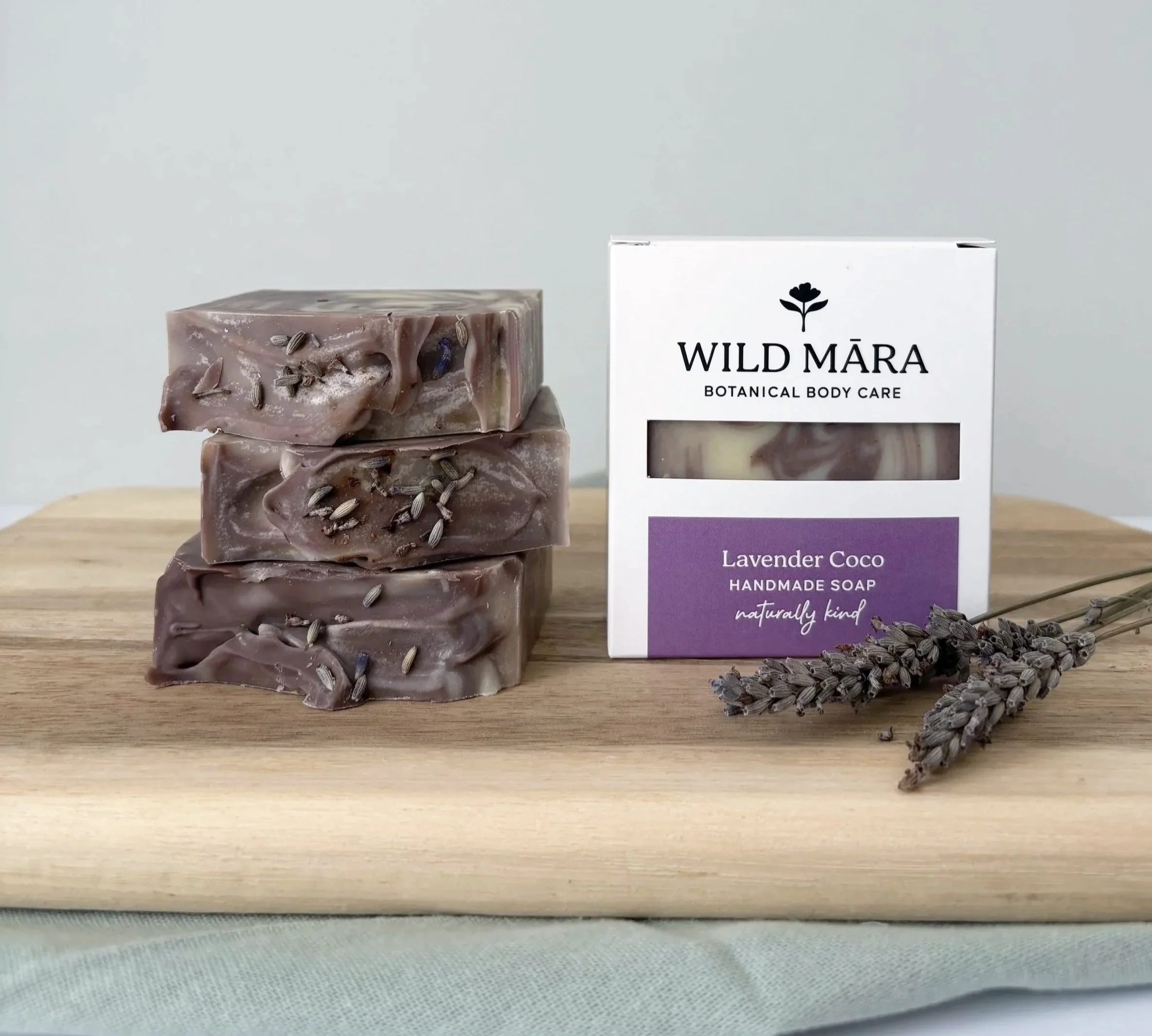
If you truly love the soothing scent and calming properties of Lavender, then this soap is the perfect choice for you!
It is made with nourishing cocoa & shea butter and a blend of plant oils, including sunflower oil, which is particularly high in vitamin E to effectively aid dry skin and help it retain moisture. This exquisite soap features lavender that has been infused in olive oil, along with lavender hydrosol that I personally distill, ensuring the highest quality.
Additionally, lavender essential oil is included to enhance the overall fragrance and therapeutic benefits. To further enrich the experience, coconut milk is added, imparting a rich creaminess that leaves your skin feeling soft, smooth, and utterly pampered.
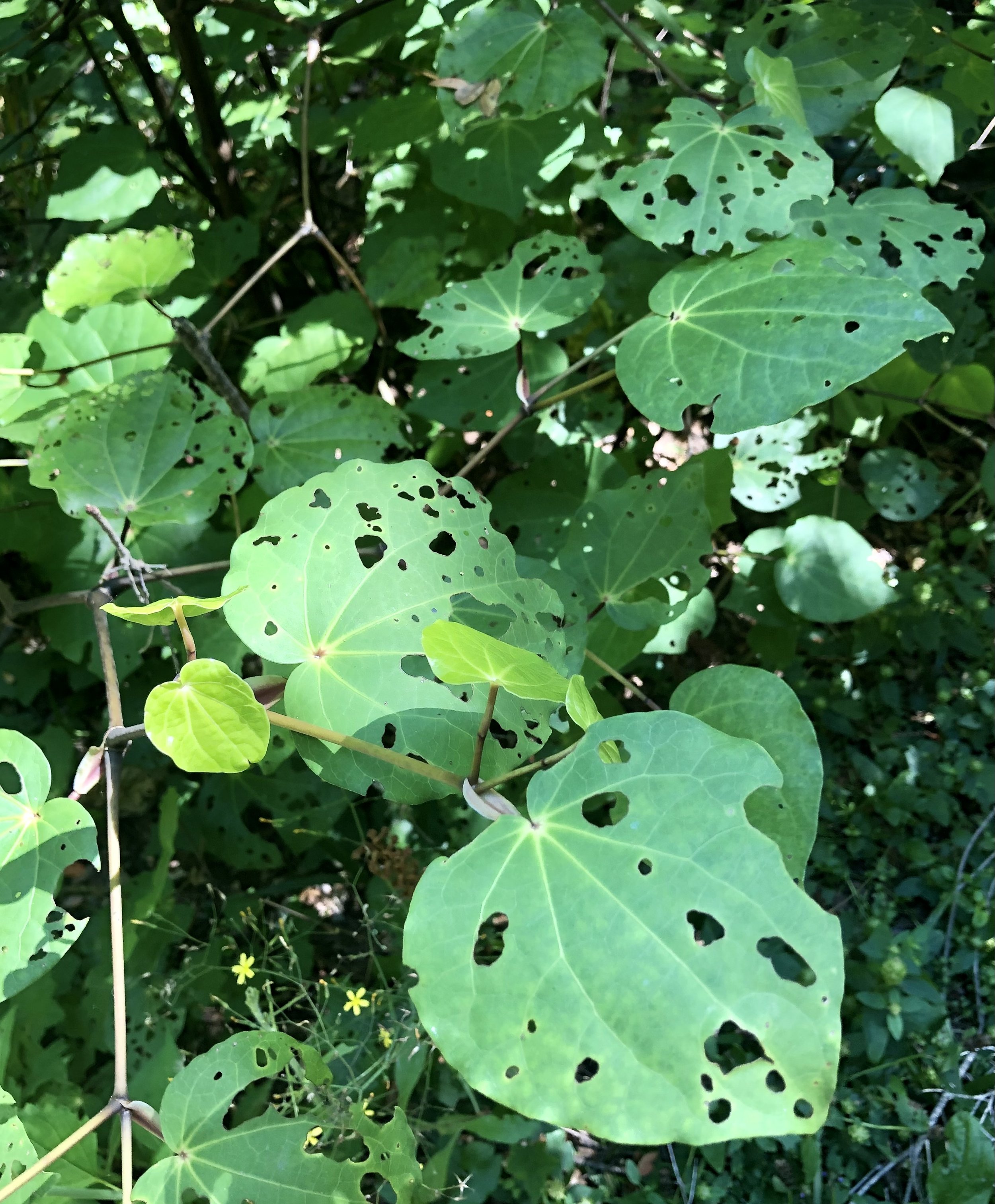
Kawakawa: The New Zealand Powerhouse for Skin Healing
Kawakawa (Macropiper excelsum) is native to Aotearoa New Zealand and has been used by Maori healers for centuries to treat skin wounds, infections, and inflammation. Its heart-shaped leaves contain several compounds, one in particular called myristicin, which gives it a unique pharmacological profile.
What sets kawakawa apart from more familiar botanicals is its combination of anti-inflammatory and antimicrobial actions. It doesn't just soothe: it actively fights the bacteria and fungi that can worsen skin conditions.
Native Wisdom and Modern Antimicrobial Benefit
Maori rongoā (traditional medicine) used kawakawa poultices on cuts, boils, and skin infections. Modern lab studies have confirmed what practitioners knew intuitively: kawakawa leaf extracts show activity against Staphylococcus aureus, a bacterium commonly involved in skin infections and eczema flare-ups. A 2024 study published in the Journal of Ethnopharmacology found that kawakawa extracts reduced bacterial colony counts by over 60% in vitro.
The antimicrobial activity comes primarily from the essential oil fraction, which contains compounds like elemicin and myristicin. These don't just kill bacteria on contact: they disrupt biofilm formation, making it harder for harmful microbes to establish colonies on your skin's surface.
Treating Eczema and Irritation Naturally
Eczema sufferers often find themselves trapped in a cycle of steroid creams and flare-ups. Kawakawa offers a different approach. Its anti-inflammatory compounds reduce the itch-scratch cycle, while its antimicrobial properties address the secondary infections that make eczema worse.
For best results, look for kawakawa in balm or oil formulations where it's paired with a carrier like jojoba or sweet almond oil. The lipid base helps the active compounds penetrate the compromised skin barrier more effectively. And because kawakawa is gentle enough for daily use, it works well as a maintenance treatment between flare-ups rather than just a crisis intervention.
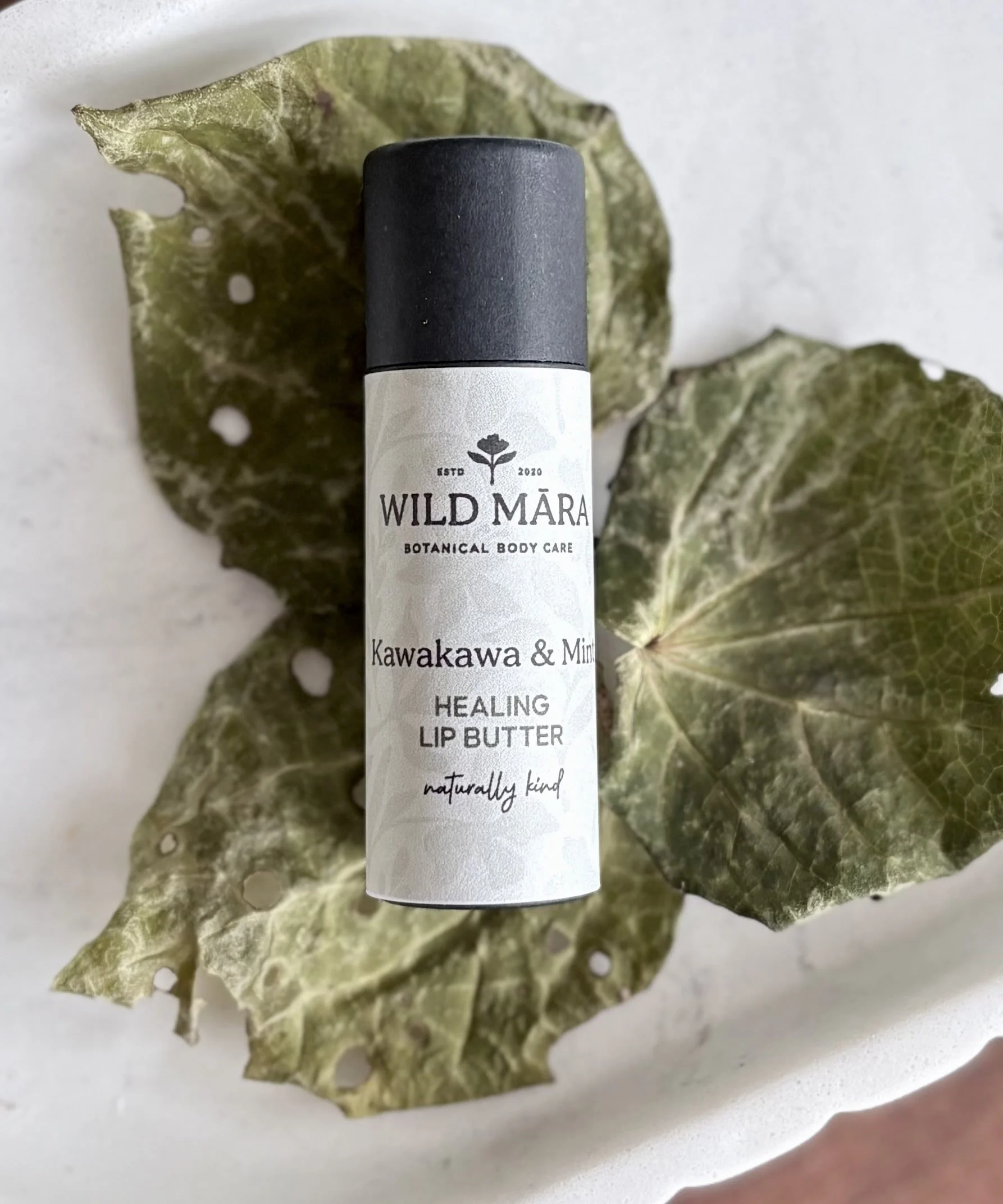
Calming, cooling, nourishing and deeply moisturising.
Formulated with locally harvested kawakawa — treasured in rongoā, traditional māori healing — this lip balm delivers potent botanical care. Enriched with vitamin-rich plant oils and three protective butters, plus locally sourced beeswax and vitamin E, it shields and restores delicate lips. Pure peppermint and spearmint therapeutic essential oils lend a refreshing, cooling sensation.
Size
approx 10g

Calendula: The Golden Standard for Cellular Regeneration
Calendula (officinalis) has one of the longest documented histories in herbal medicine, stretching back to 12th-century European texts. Its golden yellow/orange petals are packed with triterpenoids, flavonoids, and carotenoids: that together promote wound healing and tissue repair at the cellular level.
Here's what most people don't realise about calendula: it doesn't just reduce inflammation. It actively stimulates fibroblast proliferation, meaning it tells your skin cells to multiply and rebuild damaged tissue faster.
Promoting Collagen Synthesis and Wound Healing
The triterpenoids in calendula increase blood flow to wounded tissue and boost collagen type III production during the early stages of healing.
A clinical review published in 2023 confirmed that calendula-based preparations significantly reduced wound healing time compared to petroleum-based controls.
For everyday skincare, this translates to faster recovery from blemishes, micro-tears from dry skin, and post-procedure redness. Calendula extracts work especially well in serums, balms and creams applied after exfoliation, when your skin is actively rebuilding its surface layer. The carotenoids also provide mild photoprotection, adding a secondary benefit for daytime use.
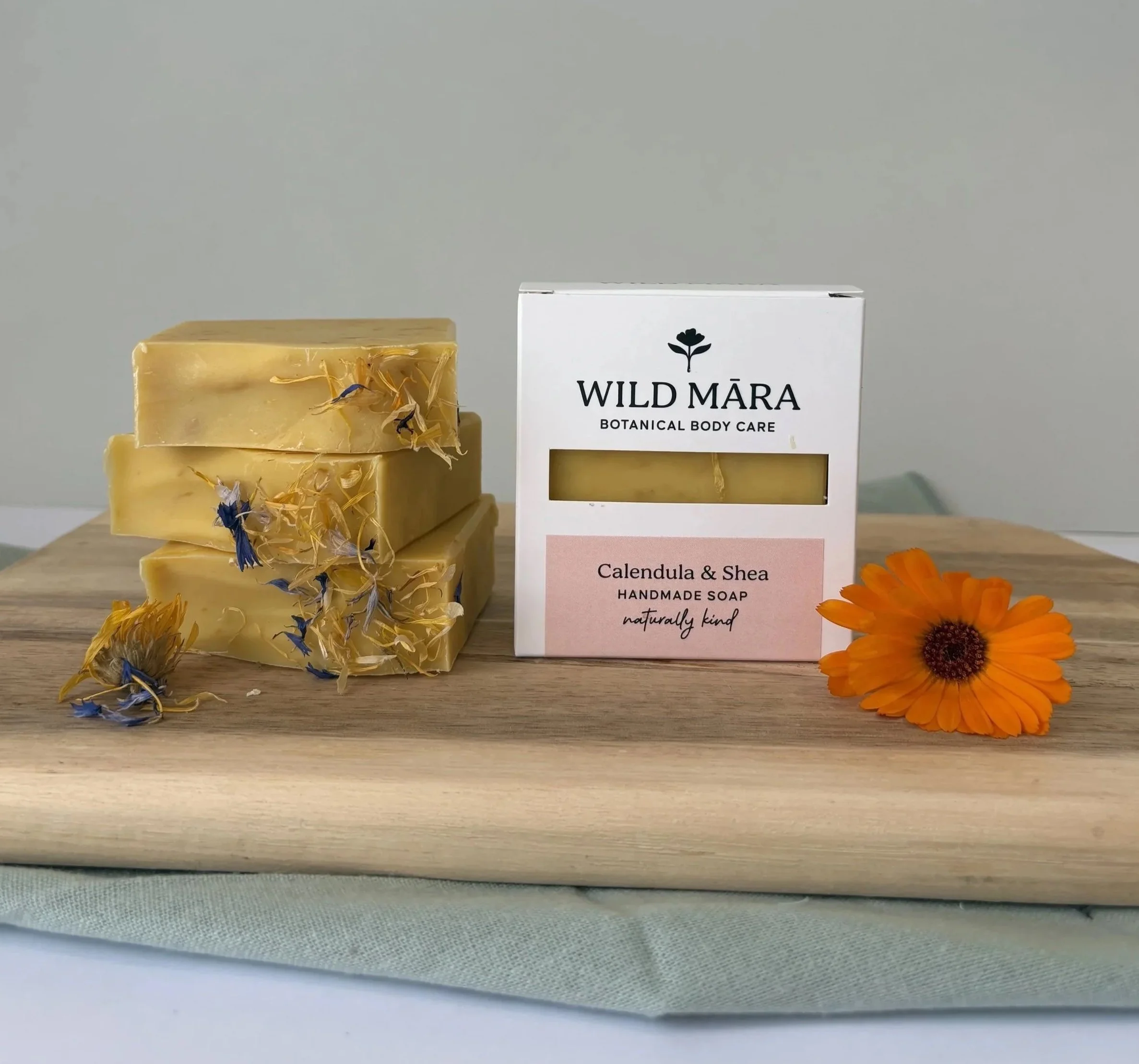
Calming, soothing, nourishing, and deeply moisturising.
I've generously maxed out on rich shea butter in this soap, combined with the radiant, sunny goodness of calendula-infused oil and delicate calendula petals — so you'll be singing in the shower with pure happiness. Perfect to use everyday even for sensitive skin.
Scented with a bright, uplifting essential oil blend of bergamot, grapefruit, lavender and ylang ylang to brighten your day with every use.
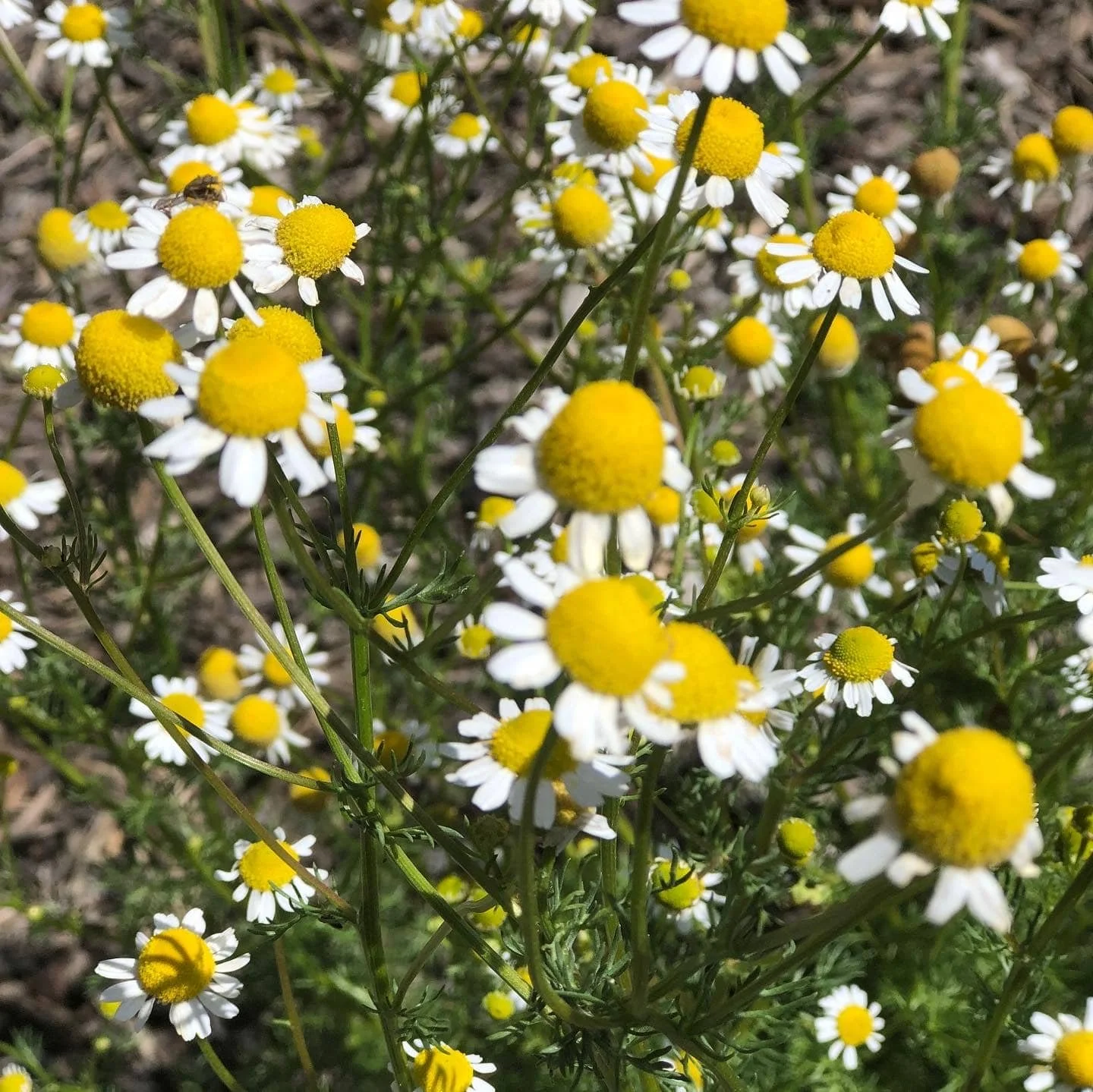
You probably associate chamomile with bedtime tea, and that's fair. But the same compounds that relax your nervous system also have profound effects on your skin. Chamomile is one of nature’s gentlest botanicals.
German Chamomile (Matricaria chamomilla) and Roman Chamomile (Chamaemelum nobile) both contain potent anti-inflammatory and antioxidant molecules, though their chemical profiles differ slightly.
German chamomile produces chamazulene during steam distillation: the compound responsible for its distinctive blue oil. This molecule is a powerful anti-inflammatory that's been studied extensively in dermatological contexts.
Bisabolol and Apigenin: The Chemistry of Quiet Skin
Two compounds that do most of the work in chamomile skincare. Bisabolol penetrates the skin effectively and inhibits the production of pro-inflammatory cytokines (the chemical messengers that trigger redness and swelling). It also enhances the absorption of other active ingredients, making it a valuable supporting player in multi-ingredient formulations.
Apigenin, a flavonoid, takes a different approach. It binds to GABA receptors in the skin's nerve endings, reducing the sensation of irritation at the neurological level. This is why chamomile-based products feel immediately calming on application: they're literally quieting your skin's nerve signals. For anyone dealing with rosacea or contact dermatitis, chamomile extracts containing both bisabolol and apigenin offer dual-action relief that addresses both the cause and the sensation of inflammation.
Chamomile: Gentle Relief for Sensitive Skin
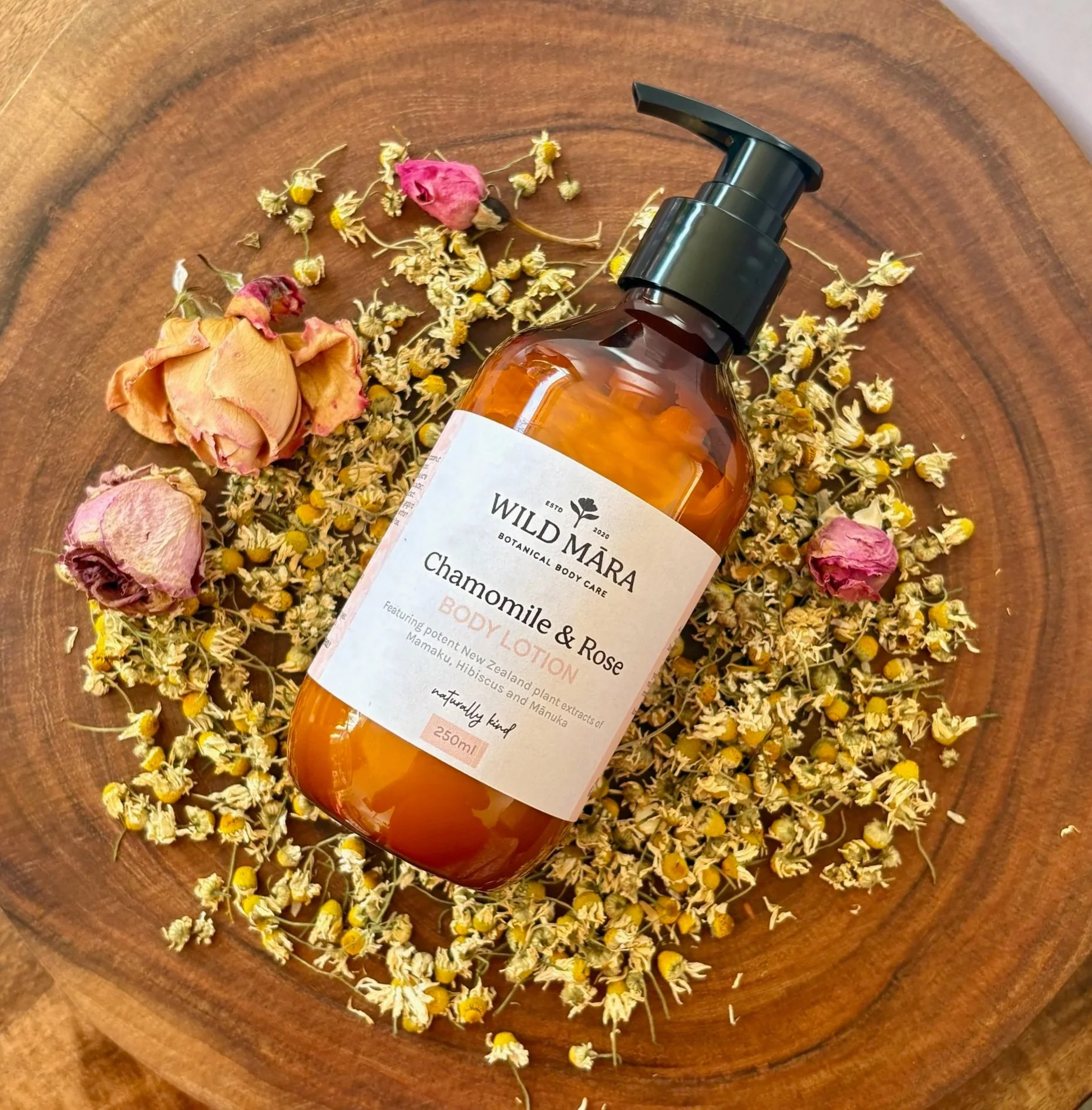
A lightweight body lotion enriched with nourishing, luxurious plant oils, shea butter and potent New Zealand plant extracts. This formula leaves your skin feeling soft, silky and intensely moisturised.
Mamaku or Black Fern, provides calming and hydrating benefits, while Hibiscus flower serves as a natural source of AHAs, gently exfoliating for a fresher, smoother complexion. Additionally, Mānuka honey is known for its remarkable healing properties.
Scented with the calming essential oil blend of Rose, Jasmine, Geranium & Vetiver.
Size
250ml
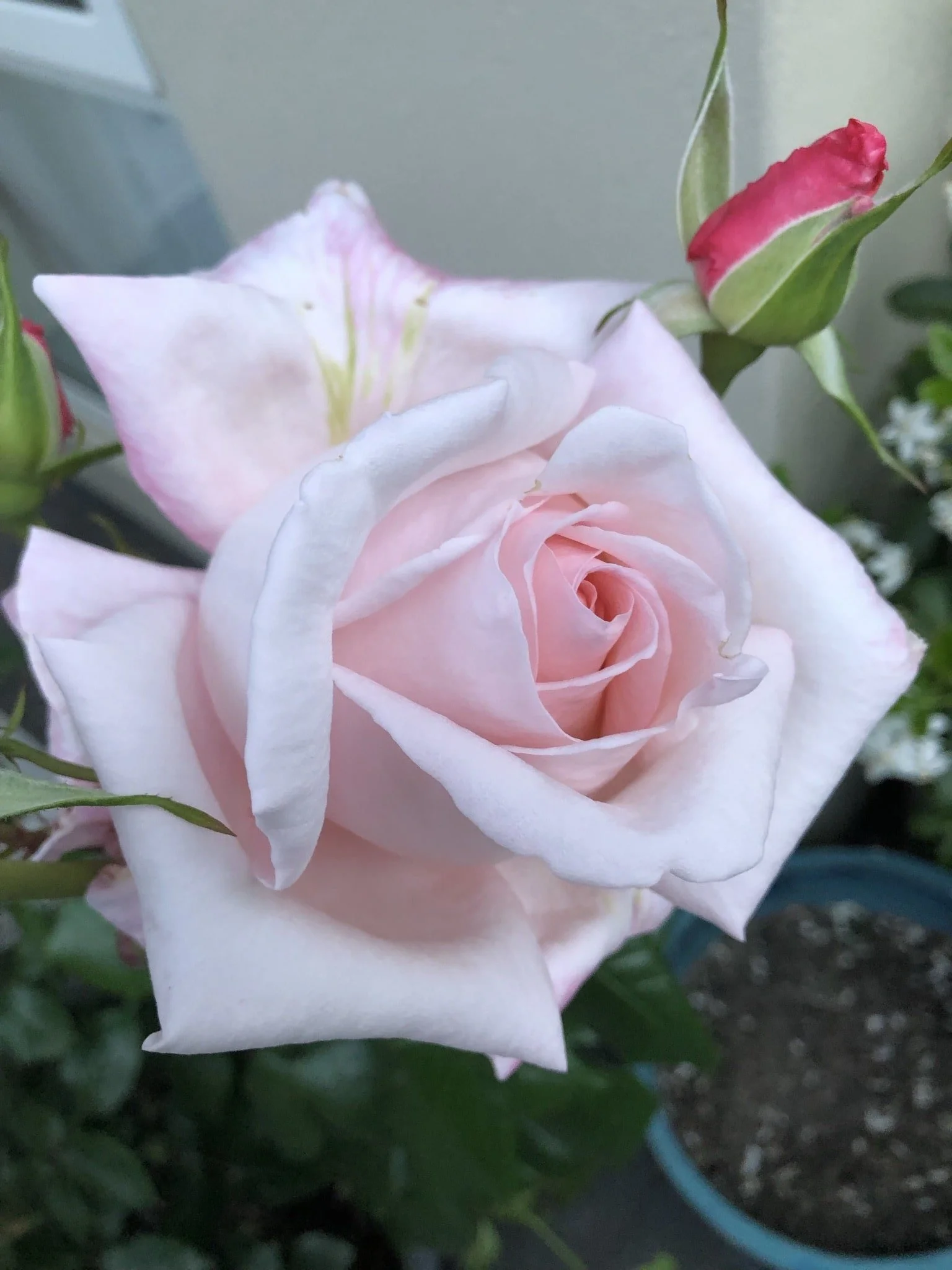
Rose: Hydration and Toning for a Radiant Complexion
Rose has been a skincare staple since Cleopatra's era, and not just for the fragrance. Rosa damascena and Rosa canina (rosehip) contain hundreds of bioactive compounds, including vitamin C, essential fatty acids, and polyphenols. The hydrating and toning properties of rose come from its ability to strengthen the skin barrier while delivering moisture at multiple levels.
Rose extracts are particularly effective for combination skin because they balance sebum production without over-drying. The natural astringent properties tighten pores gently, while the fatty acid content prevents the rebound oiliness that harsh toners can trigger.
Rosehip vs. Rosewater: Choosing the Right Extract
These two products come from the same plant family but serve very different purposes. Rosewater is a hydrosol: the water-based byproduct of steam-distilling rose petals. It contains trace amounts of essential oil and works primarily as a hydrating toner. Its pH (typically around 5.0 to 5.5) closely matches healthy skin, making it an excellent base for layering other products.
Rosehip oil, extracted from the fruit (hip) of Rosa canina, is a concentrated source of linoleic acid, linolenic acid, and trans-retinoic acid (a natural form of vitamin A). This makes it far more active in terms of cellular repair and hyperpigmentation correction. If you're targeting fine lines or acne scars, rosehip oil is the better choice. If you want daily hydration and pH balance, rosewater is your go-to.
Here's a quick comparison:
Rosewater: best for hydration, toning, and pH balancing. Lightweight, suitable for all skin types.
Rosehip oil: best for scar fading, anti-aging, and barrier repair. Richer texture, ideal for dry or mature skin.
Combined use: apply rosewater first as a toner, then follow with 2-3 drops of rosehip oil to lock in moisture.
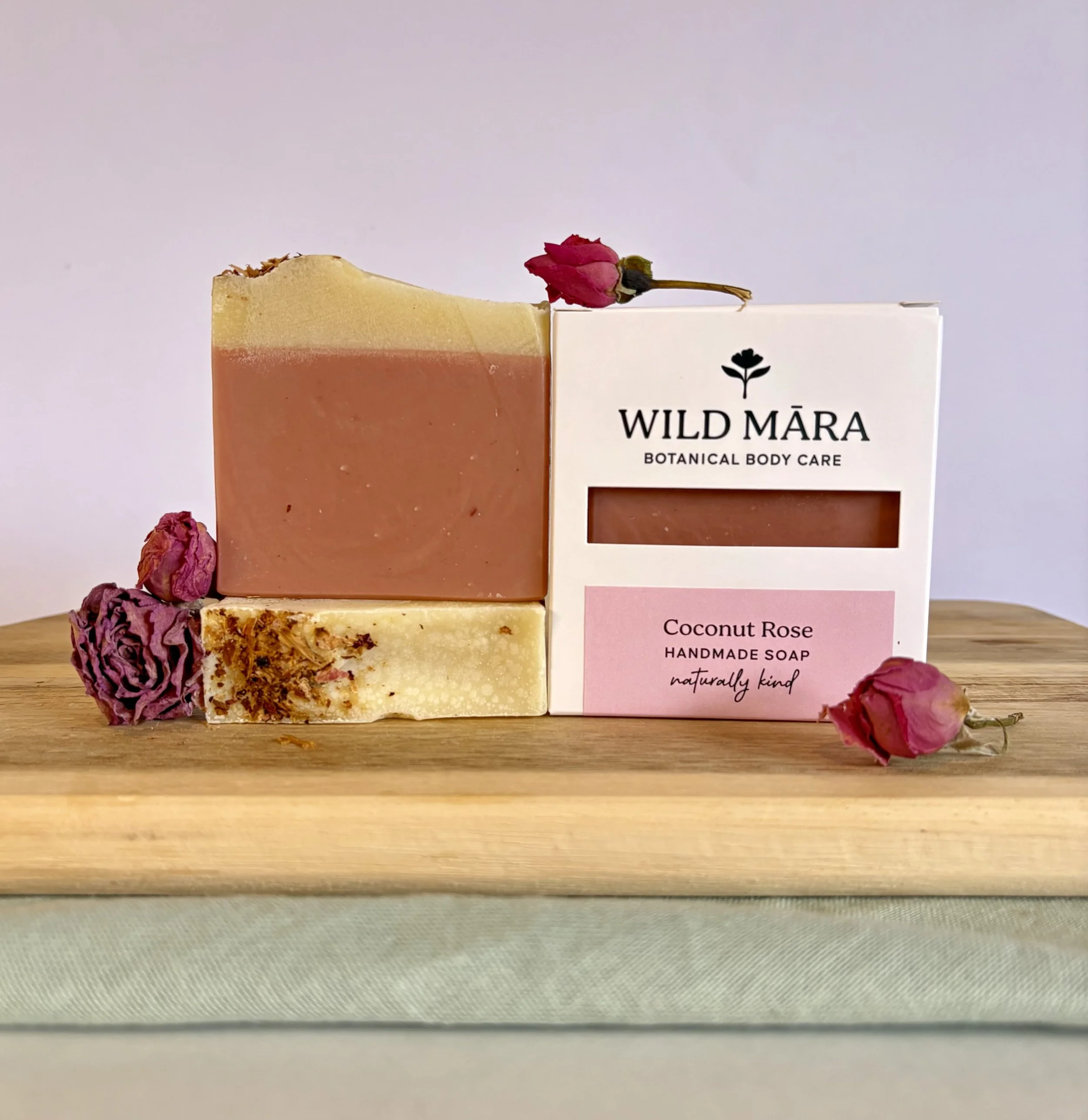
Beautiful & Delicate! The Queen of luxury.
Made with rose petals from a very special rose in my garden called Aotearoa NZ, its scent is absolutely heavenly and utterly intoxicating. The petals have been lovingly infused in olive oil and also distilled into a delicate hydrosol to capture the floral aroma and botanical goodness.
Rich coconut milk nourishes and supports the skin, leaving your complexion feeling soft, smooth and dewy. Mineral-rich rose clay helps refine and improve overall skin texture, offering gentle hydration while promoting firmness and a brighter, more even tone.
Finished with an enchanting essential oil blend of Lavender, Rose Geranium, Patchouli, Palmarosa and Geranium for a calming, grounding and beautifully aromatic experience.
Move over Cleopatra!
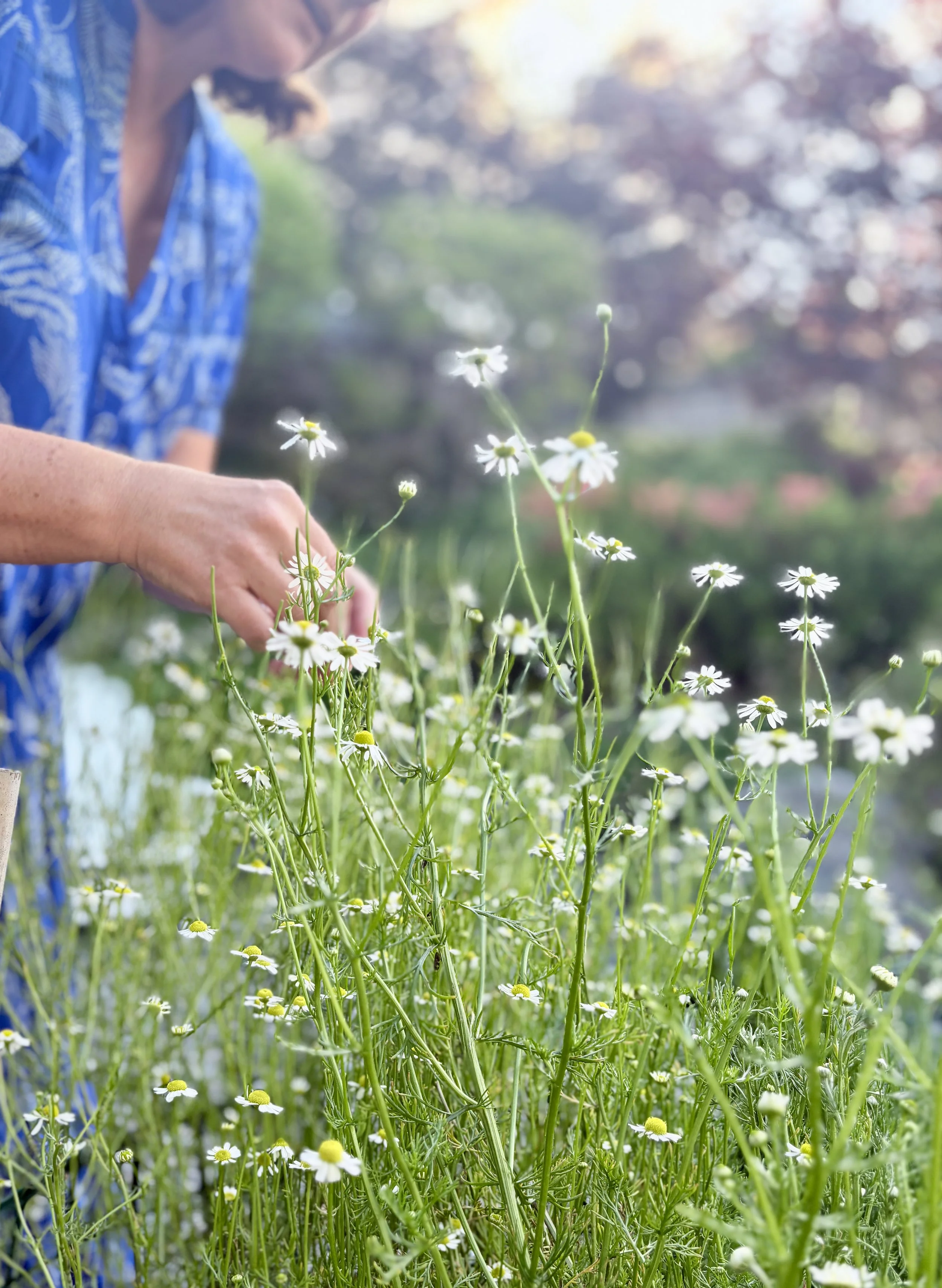
Nature knows best!
Every botanical tells a story. From the calming fields of lavender to the healing traditions surrounding kawakawa, these amazing plants have earned their place in natural skincare through generations of use.
Your skin is remarkably good at recognizing what helps it. These five botanicals work because they speak the same chemical language as your cells: anti-inflammatory signals, antioxidant protection, and barrier-building fatty acids.
At Wild Māra, I carefully choose botanicals that not only feel beautiful on your skin but also honour the wisdom of nature. Because healthy skin starts with ingredients your skin recognises and loves.
Sometimes the most effective skincare is also the simplest.
Debbie x