
Shampoo Bars and Hard Water: How to avoid Buildup and Keep Hair Feeling Clean
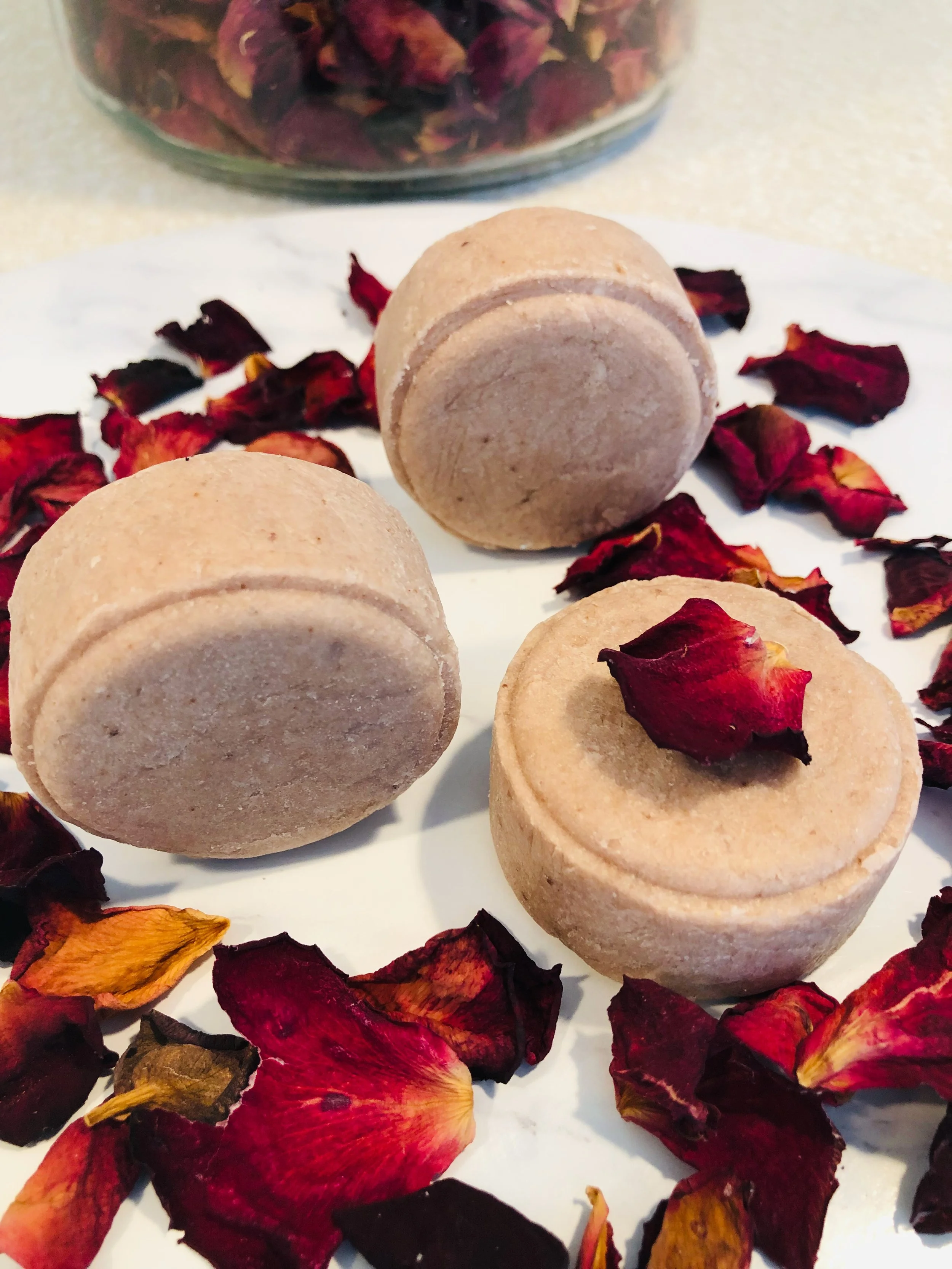
If your hair feels coated, dull, dry, or difficult to rinse after using a shampoo bar, hard water could be part of the problem. The good news is that you may not need to give up on shampoo bars—you may simply need to adjust your routine.
What is Hard Water?
Hard water contains higher levels of naturally occurring minerals, particularly calcium and magnesium. These minerals are harmless to drink and bathe in, but they can build up on hair over time.
Research has found that hair exposed to hard water can accumulate more calcium and magnesium than hair washed in distilled water. Microscopic studies have also observed a rougher hair surface after hard-water exposure.
The effects can be more noticeable if your hair is:
Dry, curly, porous, bleached, or colour-treated.
Thick or difficult to rinse thoroughly.
Washed frequently.
Already carrying product or mineral buildup.
Hard water is not the same everywhere, so your experience may depend on your local water supply.
Why can Shampoo Bars be tricky in Hard Water?
The phrase “shampoo bar” covers several different types of products. This distinction matters.
Some bars are made from traditional soap. Soap reacts with calcium and magnesium in hard water and can create an insoluble residue commonly called soap scum. On hair, this may feel like:
A waxy or sticky coating.
Hair that feels heavy immediately after washing.
Reduced shine and increased tangling.
Hair that seems greasy even though it has just been washed.
Less lather than expected.
Conditioner that does not spread or absorb properly.
Syndet shampoo bars are different. They use synthetic or naturally derived cleansing agents rather than saponified oils, and they are generally formulated closer to the natural pH range of hair and skin. They may be a better option for people who experience residue from soap-based bars. Wild Māra Shampoo Bars are formulated using naturally derived (from coconuts) cleansing agents.
That does not mean every shampoo bar will work for every head of hair. Hair texture, porosity, styling products, water hardness, and washing technique all influence the result.
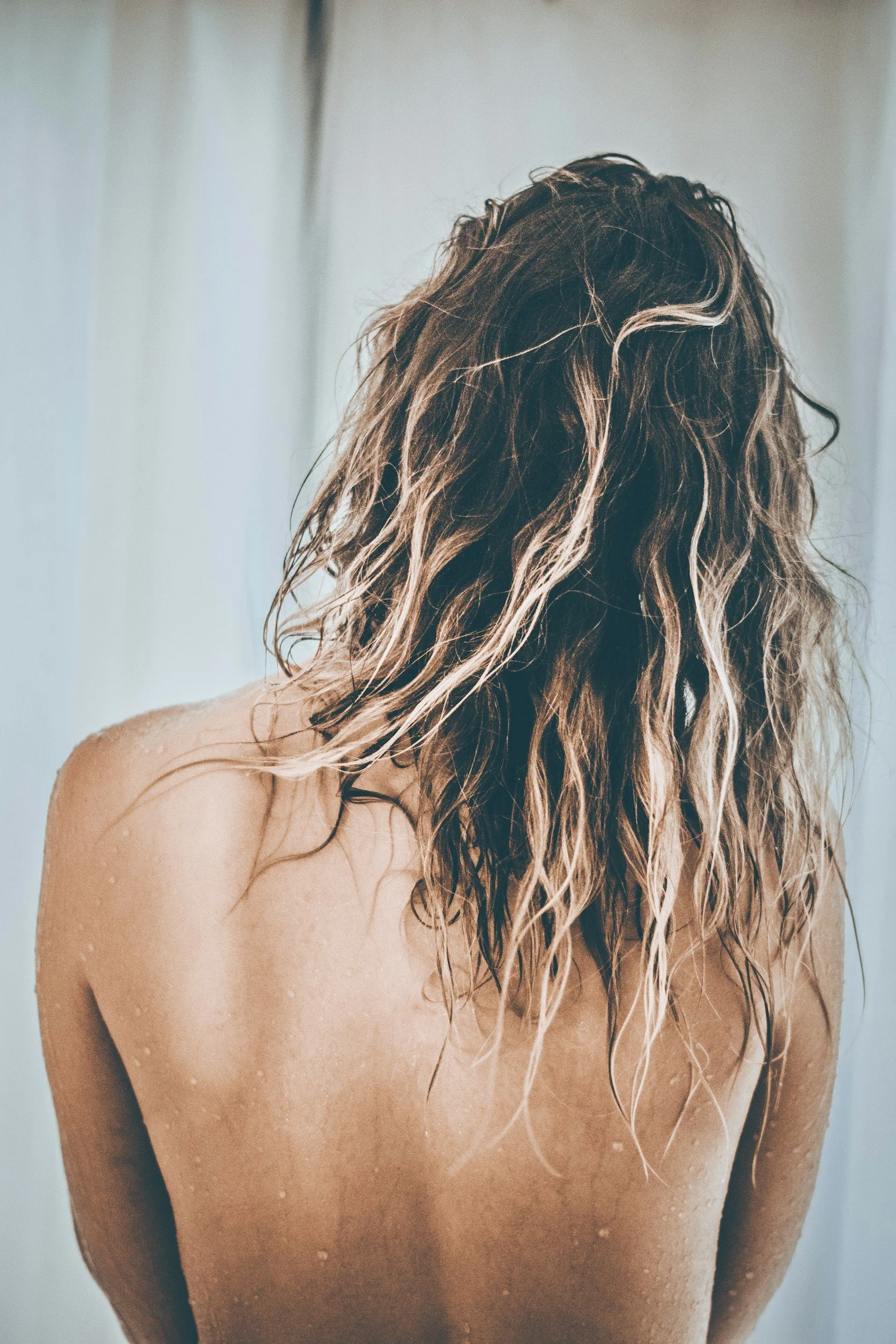
Is hard water damaging your hair?
Mineral deposits can make hair feel rougher and less manageable. Research has demonstrated that hair can take up calcium and magnesium from water, especially when the hair is chemically treated or more porous.
However, the evidence is not strong enough to say that hard water directly causes follicle-level hair loss. If you are experiencing sudden shedding, bald patches, scalp pain, or persistent irritation, speak with a qualified healthcare professional rather than assuming hard water is the cause.
For most people, the more practical concern is buildup. When minerals and product residue accumulate, hair may feel dry, dull, stiff, or difficult to moisturise.
Signs of hard water build up
Hard-water buildup can resemble dryness, over-conditioning, product buildup, or an unsuitable shampoo. Look for a pattern rather than one isolated symptom.
Your hair may be affected if it:
Feels waxy or coated after washing.
Becomes dull despite using conditioner.
Tangles more easily than usual.
Feels stiff, rough, or straw-like.
Loses curl definition.
Looks greasy at the roots but dry at the ends.
Takes longer than usual to become fully wet.
Develops a flaky or uncomfortable scalp.
A simple clue is whether the problem improves after using a chelating or mineral-removing treatment
How to use a Shampoo Bar in Hard Water
1. Thoroughly wet your hair
Hard-water buildup is easier to manage when the hair is fully saturated before cleansing. Spend a little longer rinsing than you normally would, particularly if your hair is thick or curly.
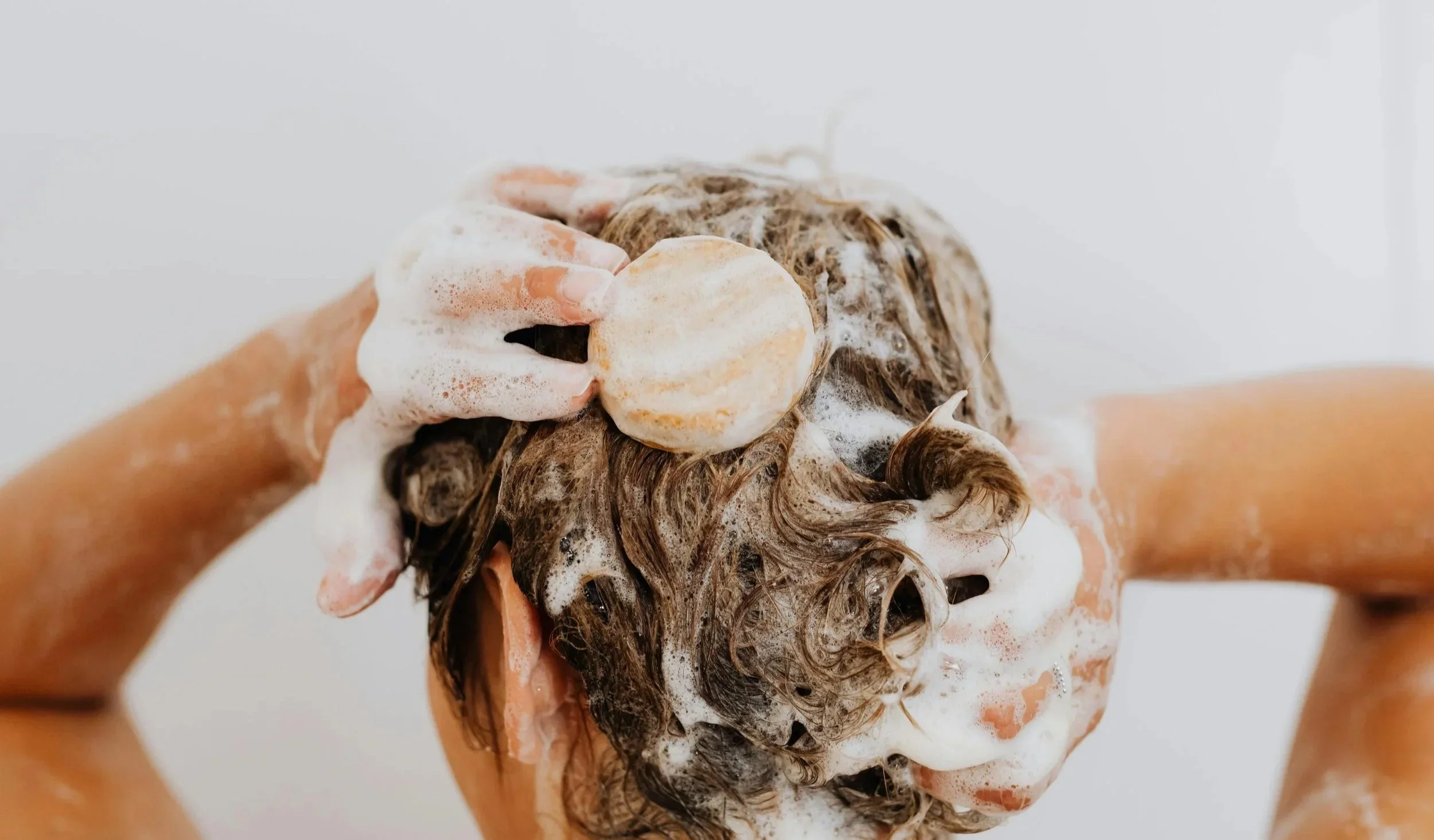
2. Create lather in your hands
Rather than repeatedly rubbing the bar over your hair, try creating a rich lather between wet hands first. Apply the lather to your scalp and massage gently with your fingertips.
This gives you more control and can reduce unnecessary friction on the lengths.
3. Focus shampoo on the scalp
The scalp is where oil and sweat accumulate. Let the lather rinse through the lengths instead of vigorously scrubbing the ends, which can leave dry hair feeling rougher.
4. Rinse for longer
A quick rinse may not remove all cleanser, conditioner, and loosened mineral residue. Rinse until the hair feels clean and no longer slippery with product.
5. Condition the lengths
Apply conditioner mainly from the mid-lengths to the ends. If your hair is fine, use a smaller amount; if it is curly, porous, or dry, you may need more moisture.
6. Keep the bar dry
Place the shampoo bar on a draining soap dish or rack between uses. Allowing it to sit in water makes it dissolve faster and can change how easily it lathers.
What should you do if your hair already feels coated?
If your hair feels waxy or heavy, pause your usual routine and remove the buildup gently.
A chelating product is designed to bind with mineral ions such as calcium and magnesium. Look for products marketed as chelating, mineral-removing, or hard-water treatments. Common chelating ingredients include EDTA, citric acid, phytic acid, and sodium gluconate, depending on the formulation.
Use a chelating treatment according to its instructions rather than assuming that more frequent use will produce better results. Overuse of strong clarifying products can leave the hair and scalp feeling dry.
After treatment:
Rinse thoroughly.
Apply a nourishing conditioner or mask.
Avoid introducing several new products at once.
Reassess your hair after a few washes.
If the coating returns quickly, the issue may be your water, the type of bar, or a combination of both.
Can an acidic rinse help?
A mildly acidic rinse can help hair feel smoother by reducing the alkaline feel left by some cleansing routines. However, homemade vinegar or lemon rinses need care.
Never apply undiluted vinegar or lemon juice directly to your scalp. They can irritate the skin and may sting, particularly if you have eczema, cuts, or a sensitive scalp. If you choose to use an acidic rinse, use a properly diluted product, avoid the eyes, rinse thoroughly, and stop if irritation occurs.
A formulated hair rinse is often easier to use consistently because its dilution and pH are controlled.
Choosing a Shampoo Bar for hard water
If you live in a hard-water area, consider these features:
A syndet (Wild Māra Shampoo Bar) rather than a traditional soap bar.
A formula designed for hair rather than a general-purpose body soap.
A pH suitable for hair and scalp.
Ingredients that support mineral management, such as suitable chelating agents.
Clear instructions for use and storage.
A formula matched to your hair type and washing frequency.
Be cautious about assuming that “natural” automatically means “better for hard water.” A product can be natural, gentle, and low-waste while still being unsuitable for your particular water supply or hair type.
Does a shower filter solve the problem?
A shower filter may improve the feel of water or reduce certain impurities, but not all filters remove the calcium and magnesium responsible for water hardness. Check what the product is designed to filter before buying one.
If hard water is a persistent household issue, a properly selected water-softening system may be more relevant than a basic shower filter. For hair care, however, changing the cleansing routine is usually the simplest first step.
Final Thoughts…
Shampoo bars can work well in hard-water areas, but the type of bar and your washing routine matter. Traditional soap-based bars are more likely to react with calcium and magnesium and leave residue, while syndet shampoo bars like the Wild Māra formulated bars may be easier for some people to use.
If your hair feels waxy, dull, stiff, or difficult to moisturise, try a gentle mineral-removing treatment, rinse thoroughly, condition the lengths, and review whether your bar is formulated for hair. Keep expectations realistic: hard water may contribute to buildup and roughness, but it is not established as a direct cause of permanent hair loss.
Ready to make the switch? Explore Wild Mara’s low-waste hair-care range and find a shampoo bar that suits your hair-care routine. Store your bar somewhere dry between washes to help it last longer.
Frequently Asked Questions
-
Yes. Many people can use a shampoo bar successfully with hard water, particularly when the bar is designed for hair and the hair is rinsed thoroughly. A syndet bar may be preferable if traditional soap leaves your hair coated.
-
The feeling may be mineral or soap residue rather than oil. Hard-water minerals can react with traditional soap-based bars and leave a film on the hair.
-
There is no universal schedule. Use a chelating or clarifying treatment when buildup is present and follow the product instructions. Hair that is dry, curly, bleached, or colour-treated may need less frequent treatment
-
There is not strong evidence that hard water causes follicle-level hair loss. It can contribute to mineral buildup, roughness, dryness, and breakage, but persistent or sudden shedding should be assessed by a healthcare professional.
-
Not necessarily. First identify whether your bar is soap-based or syndet-based, improve your rinsing technique, and remove existing buildup. If the problem continues, another formula may suit your hair and water better.
Shop Shampoo and Conditioner Bars
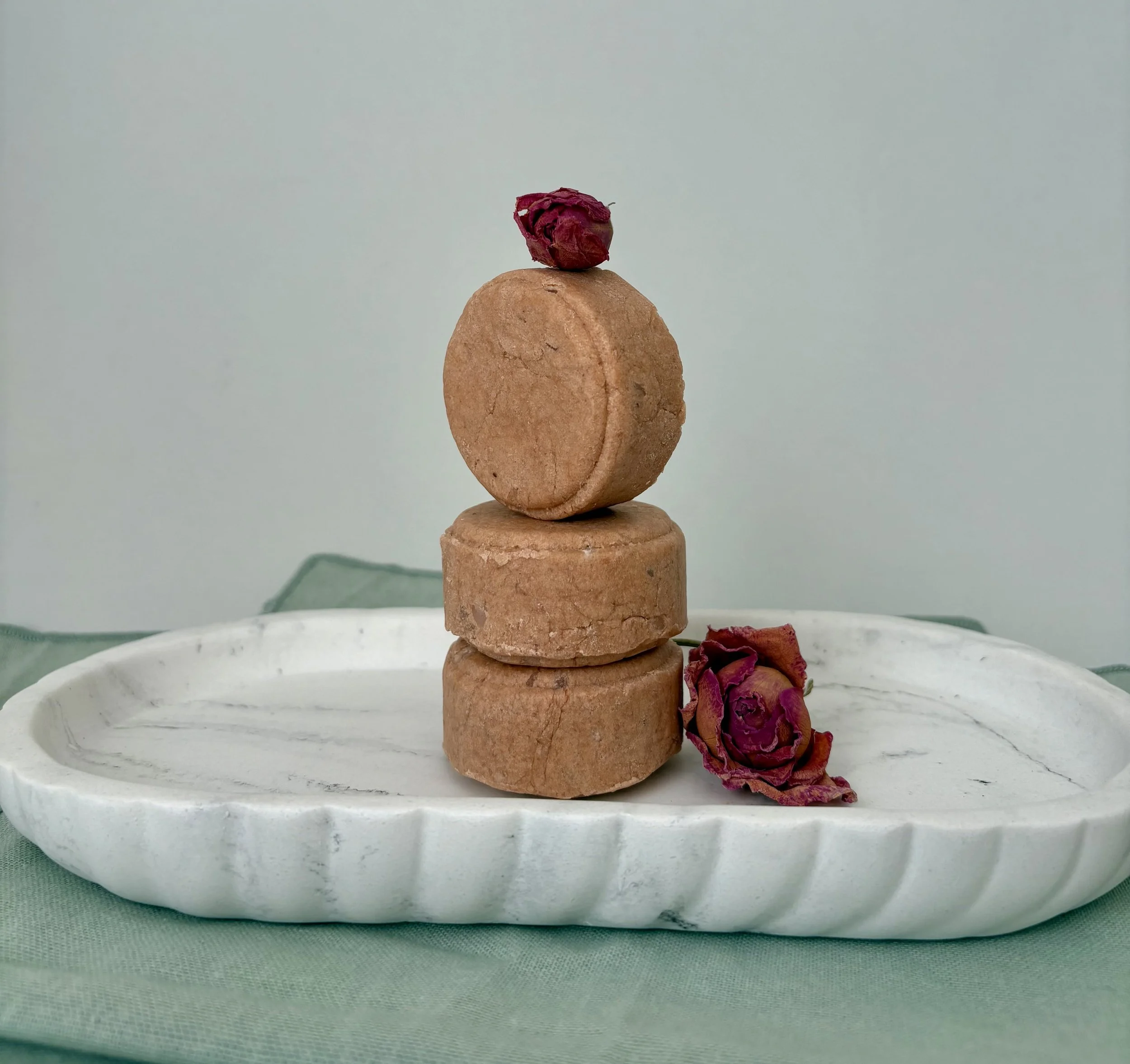
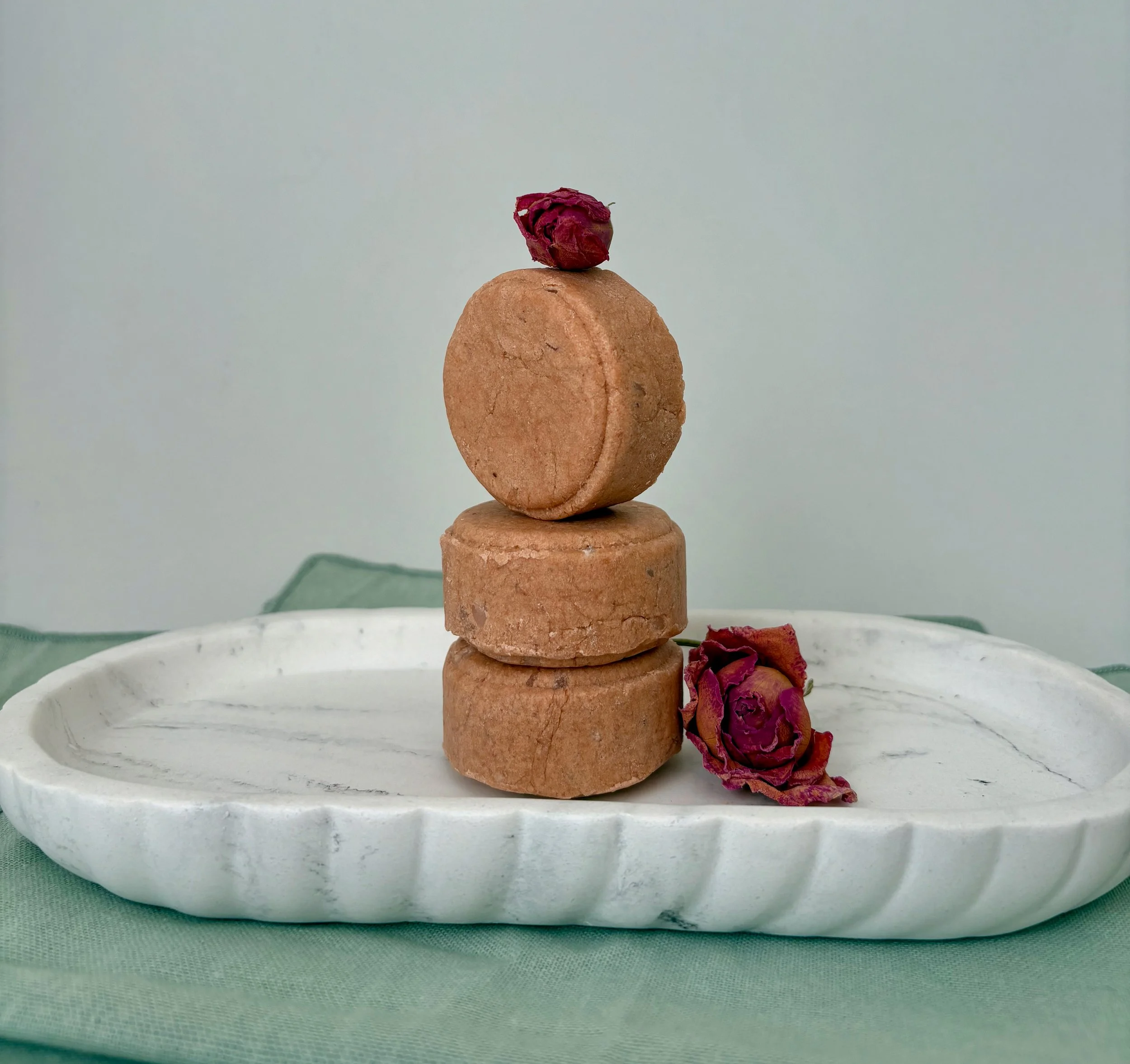
After spending months formulating & testing to create a solid shampoo bar, I’m very excited to offer you this gorgeous Rose & Ylang Ylang Solid Shampoo Bar. Not only will it cleanse your hair but it will leave your hair feeling super soft, silky, shiny & smelling delicious.
One 60g shampoo bar replaces up to three plastic bottles of liquid shampoo.
It contains NO water, unlike liquid shampoo & it’s ingredients are mild yet super concentrated so you don’t need to use a lot.
Fantastic for travelling, as it’s compact & easy to pack.
Plus the best part is that it’s zero waste, so better for our environment.
This shampoo bar is:
Soap-free & pH balanced, so NO acidic wash or transition period required.
Vegan & No Nasties, using naturally derived ingredients.
Cruelty-free & Plastic-free.
Free from Silicones, Parabens, Synthetic Fragrances, SLS & other Sulfates
Safe to use on coloured hair.
Read Wild Māra’s guide: What is a shampoo bar? on the SOWN blog.
Size
Approx 60g, 5.2cm round
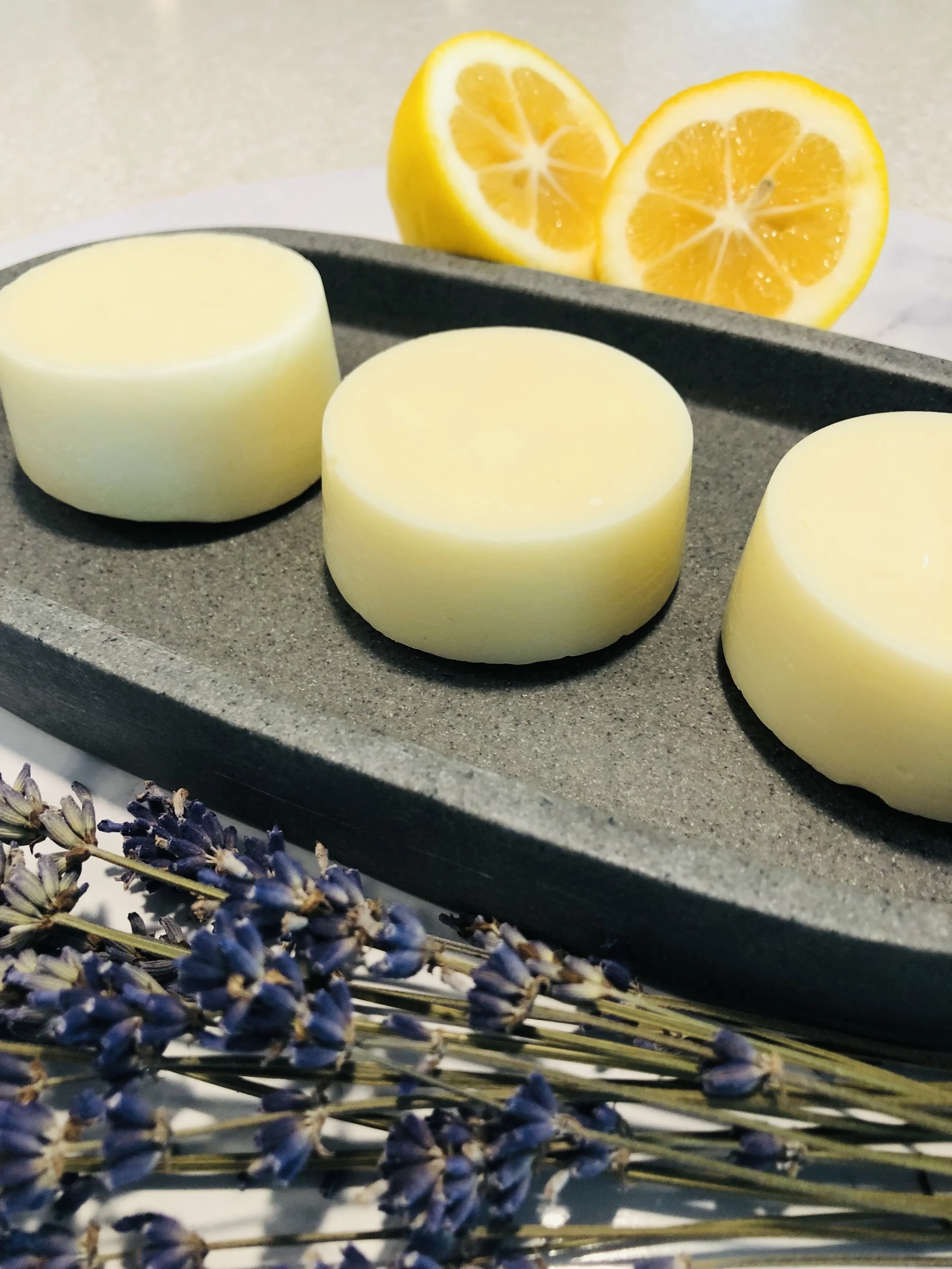
A light solid conditioner bar formulated with a combination of Mango Butter & Shea Butter, Argan Oil & Broccoli Seed Oil, Oat Protein, Vitamin B5 & E to leave your hair soft, shiny, moisturised & manageable.
Best when you want everyday smoothing and light detangling. Good option for finer hair or hair that can feel weighed down by rich products.
One 50g conditioner bar replaces up to three 250ml plastic bottles of liquid conditioner.
It contains NO water, unlike liquid conditioner & it’s ingredients are mild yet super concentrated so you don’t need to use a lot.
Fantastic for travelling as it’s compact & easy to pack.
Plus the best part is that it’s zero waste, so better for our environment.
This conditioner bar is:
Vegan & No Nasties, using naturally derived ingredients.
Cruelty-free & Plastic-free.
Free from Silicones, Parabens, Synthetic fragrances, SLS & other Sulfates.
Safe to use in coloured hair.
Size
Approx 50g, 5cm round
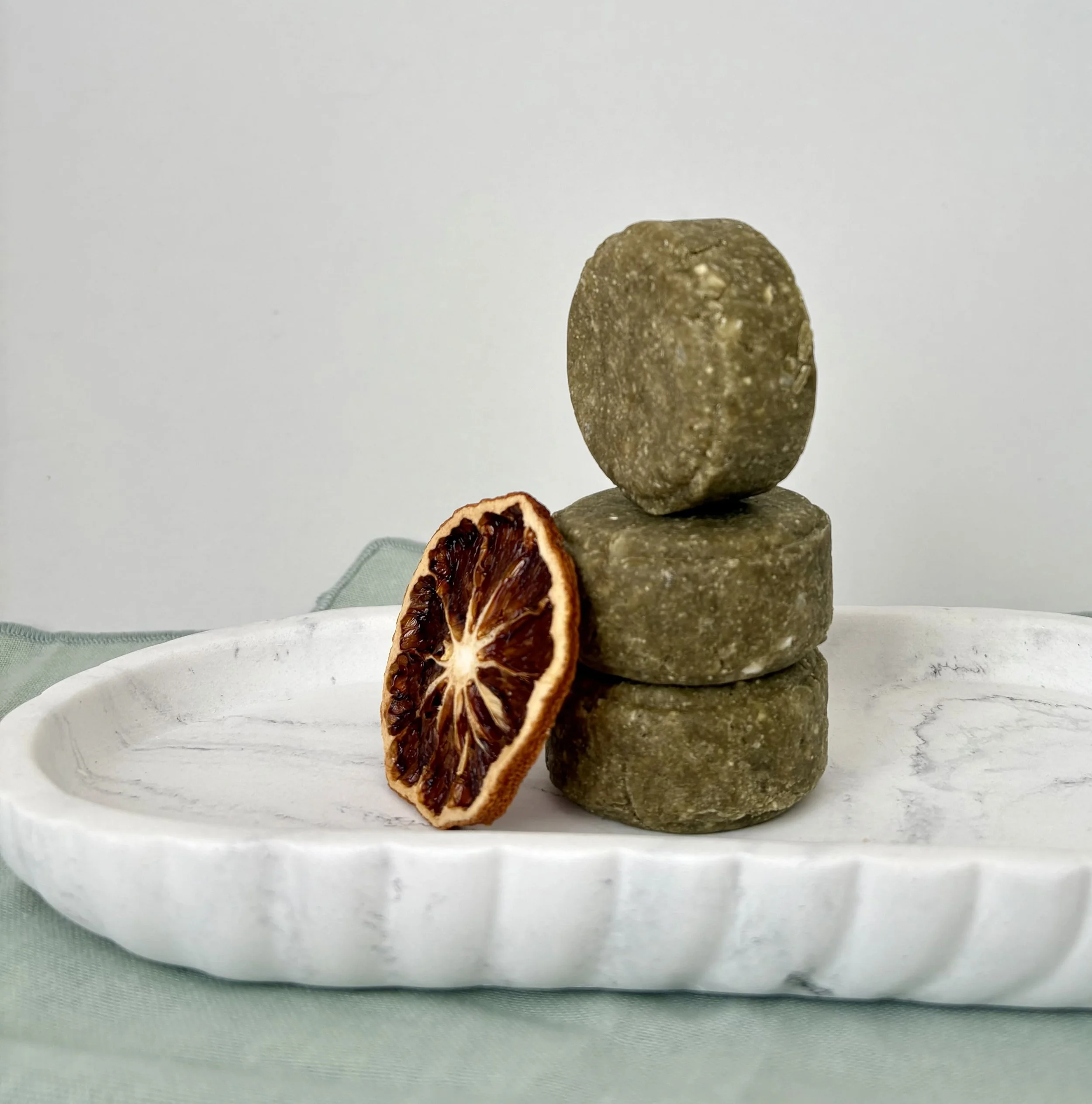
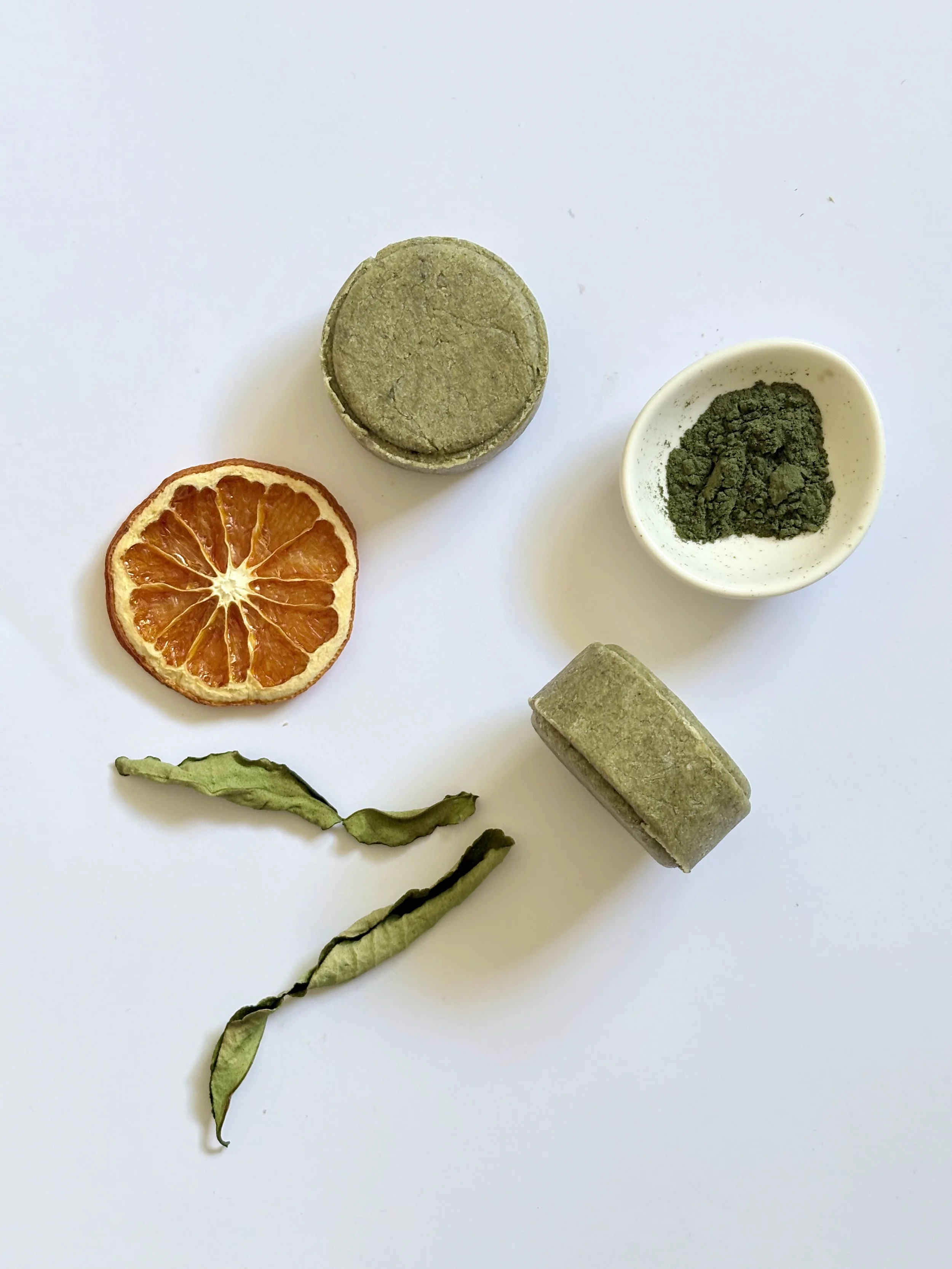
This solid shampoo bar is zesty, uplifting & invigorating. The essential oils Lemongrass & Grapefruit will not only leave your hair smelling amazing but along with Nettle Leaf & Green Clay, will help to cleanse & purify your hair & scalp plus also stimulate hair growth. Leaving your hair feeling super soft, shiny & not oily.
One 60g shampoo bar replaces up to three plastic bottles of liquid shampoo.
It contains NO water, unlike liquid shampoo & it’s ingredients are mild yet super concentrated so you don’t need to use a lot.
Fantastic for travelling, as it’s compact & easy to pack.
Plus the best part is that it’s zero waste, so better for our environment.
This shampoo bar is:
Soap-free & pH balanced, so NO acidic wash or transition period required.
Vegan & No Nasties, using naturally derived ingredients.
Cruelty-free & Plastic-free.
Free from Silicones, Parabens, Synthetic Fragrances, SLS & other Sulfates
Safe to use on coloured hair.
Read Wild Māra’s guide: What is a shampoo bar? on the SOWN blog.
Size
Approx 60g, 5.2cm round
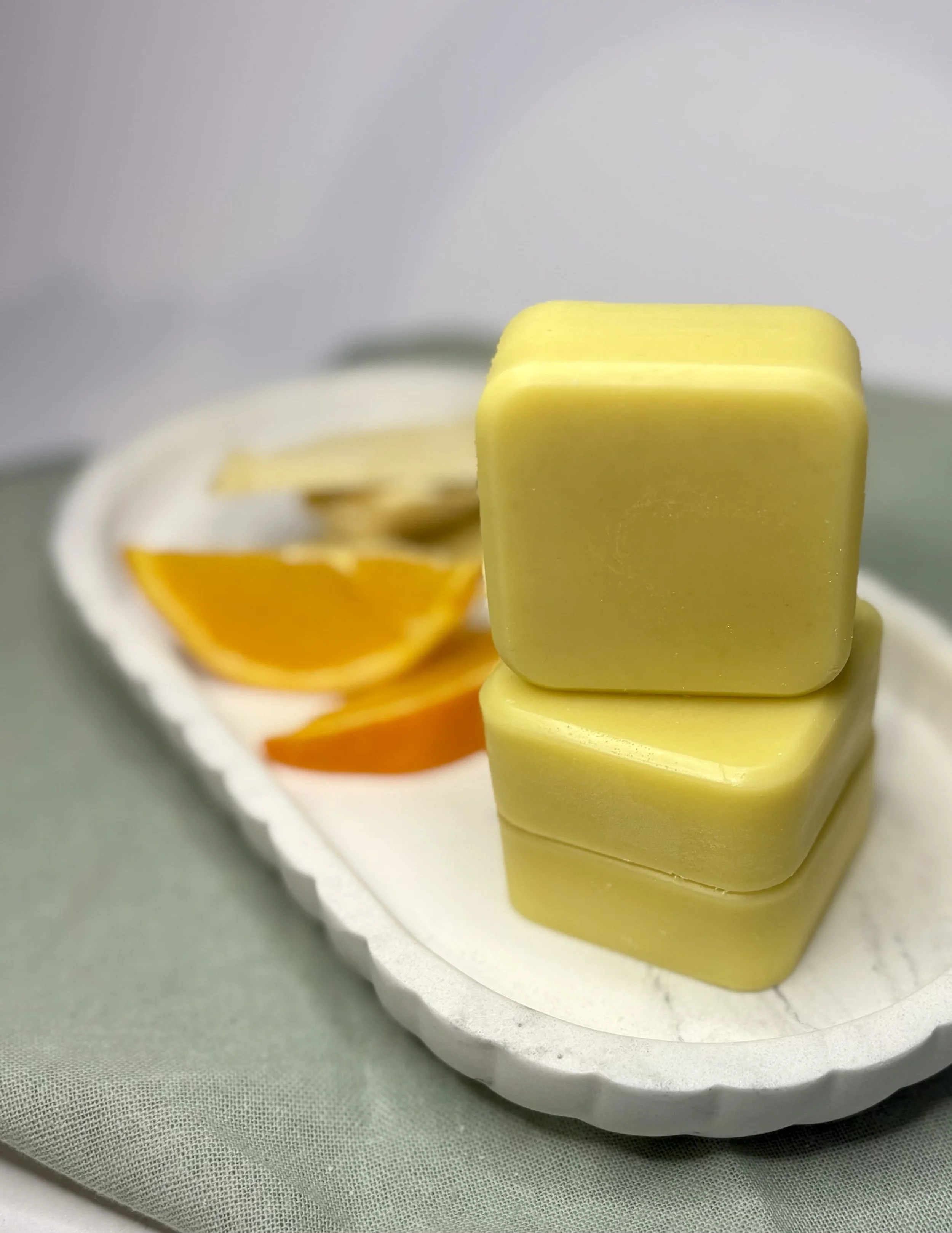
A deeply nourishing solid conditioner bar formulated with a combination of Cocoa Butter, Avocado Oil, Rice Protein, Vitamin B5 & E to leave your hair soft, shiny & deeply nourished without any greasiness.
Best if your hair needs extra softness, moisture and help with dry or difficult-to-manage lengths. It can suit thicker, drier or more textured hair that benefits from deeper conditioning.
One 55g conditioner bar replaces up to three plastic bottles of liquid conditioner.
It contains NO water, unlike liquid conditioner & it’s ingredients are mild yet super concentrated so you don’t need to use a lot.
Fantastic for travelling as it’s compact & easy to pack.
Plus the best part is that it’s zero waste, so better for our environment.
This conditioner bar is:
Vegan & No Nasties, using naturally derived ingredients.
Cruelty-free & Plastic-free.
Free from Silicones, Parabens, Synthetic fragrances, SLS & other Sulfates.
Safe to use on coloured hair.
Size
Approx 55g, 5cm square-shape